


How to Improve Communication on a Construction Site
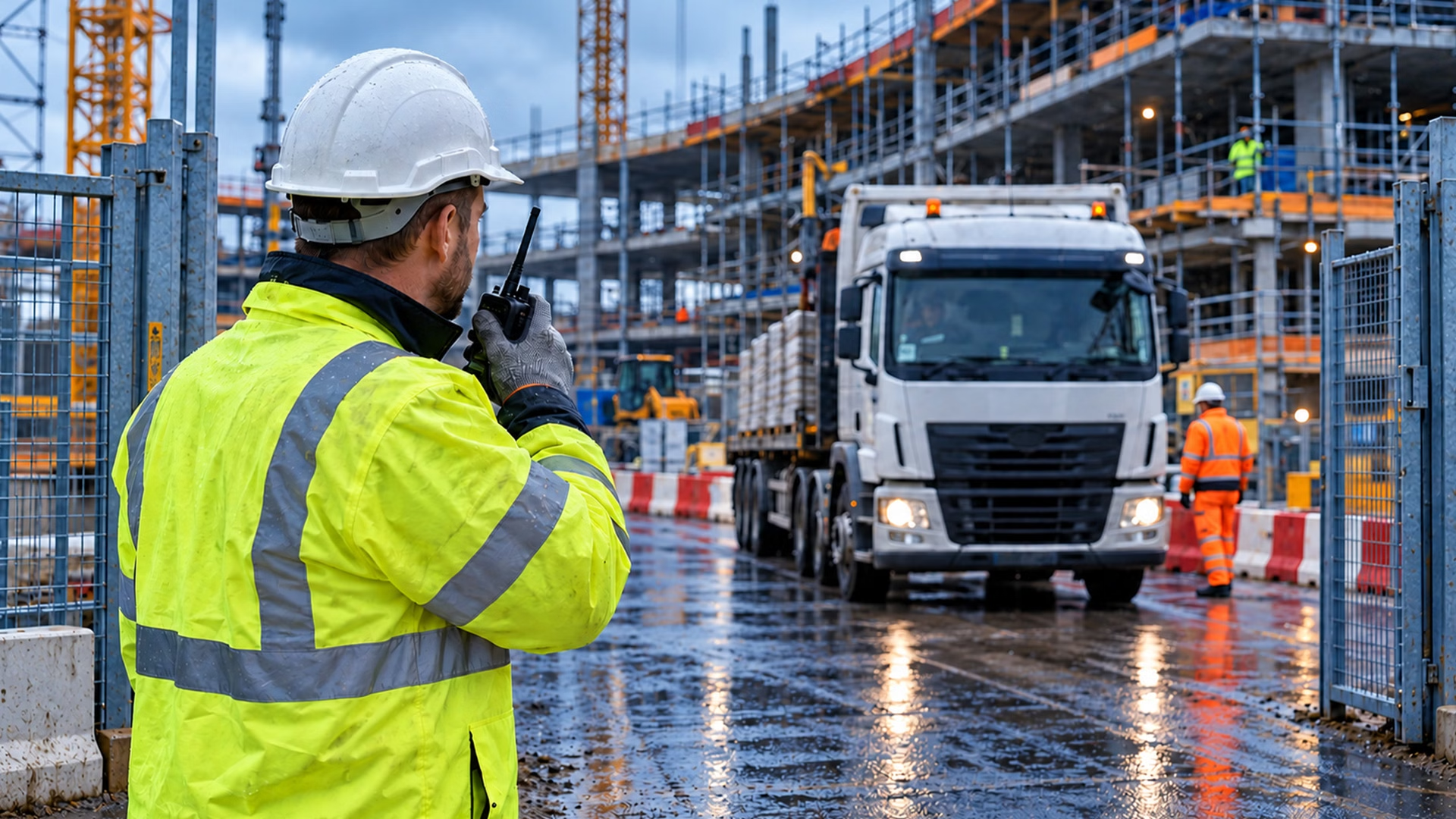
Construction sites are busy, noisy and constantly changing. With multiple contractors, deliveries and teams working across different areas, keeping everyone connected isn’t always straightforward.
Poor communication can lead to delays, confusion and unnecessary safety risks. Even something as simple as a missed delivery update or an unreachable supervisor can disrupt the working day.
So how can you improve communication across your site?
Here are seven practical ways to keep your teams informed, coordinated and working efficiently.
Why Is Good Communication Important on a Construction Site?
From managing deliveries to coordinating contractors and responding to unexpected problems, construction teams rely on clear, timely information.
When communication breaks down, small issues can quickly affect wider site operations.
Good construction site communication helps to:
- Reduce delays: Keep teams informed about changing schedules, deliveries and access arrangements.
- Improve coordination: Make sure contractors and supervisors have the information they need.
- Support safety: Help staff report hazards, request assistance and share important updates.
- Increase efficiency: Reduce time spent looking for colleagues or waiting for instructions.
- Manage changing conditions: Keep everyone informed as work progresses.
Getting communication right starts with having clear procedures and the right equipment in place.
1. Establish Clear Communication Responsibilities
On a busy construction site, everyone needs to know who to contact and who is responsible for sharing information.
When responsibilities aren’t clear, messages can be missed, delayed or passed between several people before reaching the right person.
Make sure teams understand:
- Who communicates changes to site operations.
- Who coordinates contractors and deliveries.
- Who to contact when problems arise.
- How to report hazards or incidents.
- Who is responsible for escalating urgent issues.
These responsibilities should be covered during site inductions and reinforced as new contractors join the project.
The aim is simple: get the right information to the right people without unnecessary delays.
2. Keep Teams Updated Throughout the Day
Morning briefings are important, but construction sites rarely run exactly to plan.
Deliveries arrive late. Access routes change. Equipment becomes unavailable. One contractor’s delay can affect several others.
Teams need a reliable way to communicate these changes as they happen, rather than waiting for the next meeting.
Regular supervisor updates, clear reporting procedures and immediate communication between key personnel can help keep work moving.
For example, if an unloading area becomes unavailable, the gatehouse should be able to contact the relevant supervisor straight away, allowing deliveries to be redirected before congestion builds.
Good communication shouldn’t stop when the morning briefing ends.
3. Choose the Right Communication Equipment
Different communication methods have different roles on a construction site.
Mobile phones are useful for contacting suppliers and discussing detailed issues. Emails and digital systems help record instructions and project updates.
But when teams need to communicate quickly across a busy site, making individual phone calls isn’t always practical.
How Can Two-Way Radios Help?
Two-way radios provide direct push-to-talk communication, allowing teams to contact colleagues immediately without dialling a number.
They can be particularly useful for:
- Site security: Managing entrances, visitors and vehicle access.
- Deliveries: Coordinating arrivals, unloading areas and vehicle movements.
- Supervisors: Sharing updates between teams and working areas.
- Contractors: Communicating changes that affect planned work.
- Site management: Keeping key personnel connected throughout the day.
Instead of walking across the site to find someone or making multiple calls, staff can communicate with the relevant team at the press of a button.
At Digitall Comms, we provide two-way radio hire and purchase solutions for construction sites, helping businesses choose equipment suited to their working environment and project requirements.
4. Check Radio Coverage Across Your Site
A radio is only effective if it works where your teams need it.
Construction environments can create communication challenges, particularly on large developments or sites with multiple floors, basements and reinforced concrete structures.
Radio coverage can be affected by:
- Steel and concrete structures.
- Underground and basement areas.
- Multiple floors and separate buildings.
- Large distances between working areas.
- Changes to the site as construction progresses.
For larger or more challenging sites, radio repeaters may be required to extend coverage and help reduce communication black spots.
Don’t Forget That Your Site Will Change
A communication system that works well at the start of a project may need reviewing as new structures are built.
Testing coverage in key working areas can help identify potential issues before they affect operations.
It’s also important to consider battery life, durability and audio clarity, particularly when radios are being used in noisy or demanding conditions.
Not sure which radios will work best on your site?
Digitall Comms offers a Try Before You Buy scheme, giving businesses the opportunity to test suitable equipment in their own working environment before making a decision.
5. Establish Clear Radio Communication Procedures
Providing radios is one thing. Making sure everyone uses them effectively is another.
Without clear procedures, radio channels can become overcrowded, messages can be misunderstood and important updates may be missed.
Keep communication straightforward:
- Agree which teams use which channels.
- Keep messages short, clear and relevant.
- Identify yourself and your location when necessary.
- Confirm important instructions have been understood.
- Establish procedures for urgent communication.
For example, instead of saying:
“There’s a problem at the entrance.”
A clearer message would be:
“Site control, this is Gate Two. A delivery vehicle is blocking the pedestrian entrance. Please advise.”
On larger sites, separate radio channels or talkgroups for security, logistics and management can help keep conversations organised.
Safety-critical activities, including lifting operations, should always follow their established communication procedures and safe systems of work.
Clear radio procedures help teams communicate efficiently, particularly during busy periods.
6. Improve Communication Between Contractors
Construction projects often involve several trades working to connected schedules.
When one team experiences a delay, it can affect others waiting for access, materials or completed work.
Regular contractor meetings help with planning, but teams also need a way to communicate changes throughout the working day.
Two-way radios can make it easier for supervisors to share immediate updates, particularly when contractors are spread across different areas.
For example, if a working area becomes temporarily unavailable, the affected teams can be informed before arriving, helping avoid wasted time and unnecessary disruption.
Don’t Overlook Shift Handovers
Communication is just as important when responsibility passes between teams.
Make sure incoming staff are aware of outstanding work, access restrictions, equipment issues and any relevant safety information.
Important updates should also be recorded where necessary, rather than relying entirely on verbal communication.
7. Plan for Emergency Communication
When an incident occurs, teams need to know how to raise the alarm, report their location and contact the appropriate people.
Clear communication arrangements can help staff request assistance, share information and coordinate a response.
Two-way radios can support communication between site supervisors, security teams, designated first aiders and management personnel.
However, radios should form part of a wider emergency communication plan, rather than replace appropriate site alarms or warning systems.
Your procedures should also consider what happens if equipment fails or radio coverage is lost.
Regular reviews can help ensure communication arrangements remain suitable as the site develops.
In an emergency, knowing who to contact and how to reach them matters.
Common Construction Communication Mistakes to Avoid
Even with the right equipment in place, simple oversights can affect communication.
Some common mistakes include:
- Relying entirely on mobile phones: Direct radio communication may be more practical for quick team updates.
- Ignoring coverage requirements: Always consider the site’s layout and potential communication black spots.
- Overcrowding radio channels: Too many conversations can make important messages harder to hear.
- Overlooking batteries and charging: Make sure equipment can support the full working day.
- Failing to share changes: Important updates need to reach affected teams promptly.
- Not reviewing equipment requirements: Communication needs can change as construction progresses.
Addressing these issues can help improve day-to-day operations without introducing unnecessarily complicated procedures.
Frequently Asked Questions
What Is the Best Way to Communicate on a Construction Site?
A combination of communication methods usually works best. Briefings, written instructions and digital systems support planning and record-keeping, while two-way radios provide a practical way for teams to share immediate updates across the site.
Are Two-Way Radios Better Than Mobile Phones on Construction Sites?
Two-way radios can be more practical for quick, direct communication between teams. Push-to-talk functionality allows users to contact colleagues without making individual phone calls. Mobile phones remain useful for external conversations, detailed discussions and sharing documents.
How Many Two-Way Radios Does a Construction Site Need?
It depends on the size of the site, the number of staff and who needs to communicate. Supervisors, security, logistics teams and other key personnel may require radios, along with spare equipment or additional handsets for different shifts.
Can Two-Way Radios Work in Basements and Multi-Storey Buildings?
Yes, although coverage depends on the equipment and building environment. Concrete, steel and underground areas can affect radio signals. Some sites may require repeaters or additional infrastructure to improve coverage. Testing equipment on site is recommended.
Do Construction Site Two-Way Radios Need an Ofcom Licence?
Many professional two-way radio systems require an Ofcom licence. However, compliant PMR446 radios can be used without one. The appropriate option depends on your equipment and communication requirements.
Keep Your Construction Site Connected
From small building projects to large, multi-storey developments, the right communication setup can make a real difference to day-to-day operations.
Digitall Comms provides two-way radio hire, purchase and coverage solutions for construction businesses, helping teams stay connected across different working environments.
Whether you need radios for a short-term project, additional handsets or a more comprehensive site communication system, we’re here to help.
Not sure what your site needs? Speak to the Digitall Comms team and we’ll help you find the right solution.
Explore Our Construction Communication Solutions